In the last few years, there has been an increase in mood boards. What are mood boards you ask? A mood board is a collection of visual ideas, pictures, and sometimes even videos, that can help a designer or a team know how to give people an idea for the feel of the project you are working on. We are going to go through the history of mood boards and how they can be used to better your business today!
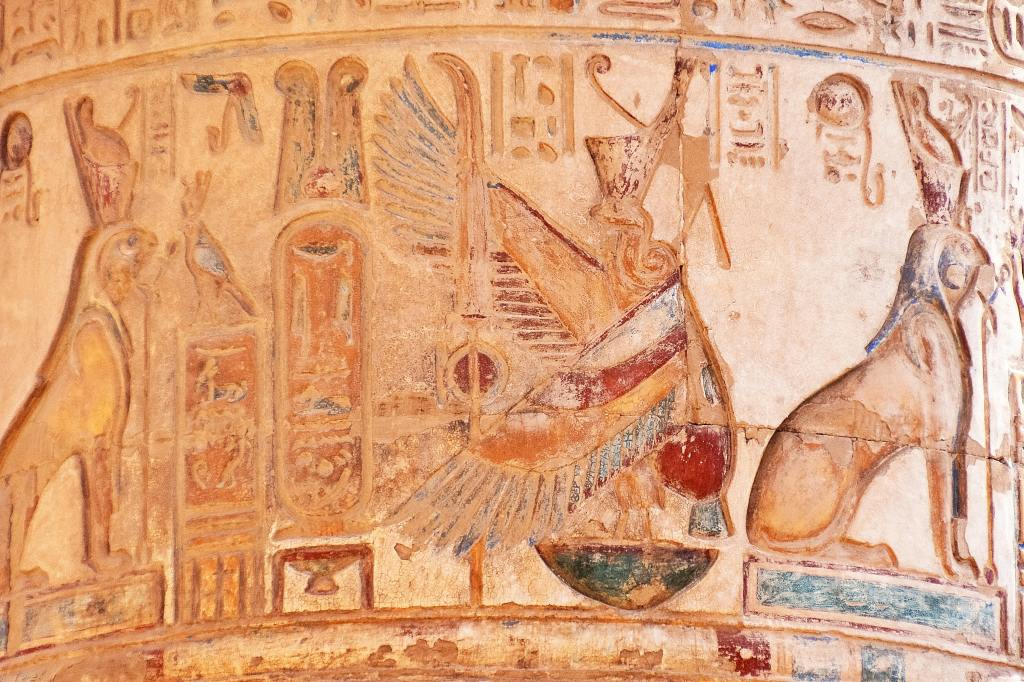
Moodboards have been around for many years but they looked a little different in the beginning. They started with caveman paintings and Egyptian tomb walls. In these pictures, the cavemen captured their hunts or their battles and the Egyptians painted pictures of the person’s life and what they will be doing in the afterlife. While it does not really sound like what we use them for today, it definitely fits in with the definition of what we use mood boards for. Jenny Hawthorn gives a great definition of a Mood Board by stating, “A mood board is a valuable tool used to put all ideas in one place in order to visually stimulate the design process and be referred back to for inspiration” (Hawthorn, 2019). What a great definition that proves the point that these ancient pictures below are considered mood boards for their time. In the modern-day, we see apps like Pinterest being used to create mood boards for everyday users. Users are able to make a collection of images, recipes, and articles that they can use or visit later. Once they have those saved, Pinterest will start popping up other images, recipes, and articles like the ones the user has saved so they are able to explore and add to their collection. This is the more modern type of mood board that has evolved from the Egyptian and cavemen paintings.

Now that we know a little bit more about mood boards, you may be asking “How do I make one?”. Making a moldboard is easy and just about anyone can do it! The first step to creating any moldboard is to find your inspiration. Once you have your inspiration, you can start to map out your aesthetic for your project by adding pictures, wording, fonts, icons, and colors that you want to use. This process can take a while as you and your team start to piece things together. You will start to see that some things will not work together and you will do the process of elimination until you have the perfect mood board for your project. You want your mood board to reflect your business and its goals so make sure that you are staying on brand or you will have to restart the process all over. Also, remember to be flexible as you are working through this process. You might need to restart your mood board mid-process and that is okay! It just means you will have a better mood board in the end.
I firmly believe that every project should be started with a mood board. It helps you and your team to be organized and stay on brand. It also gives you a point of reference in the designing process when you feel lost on how the finished project should look and feel. Mood boards can be used in any profession and are not just subjected to designers. I encourage you to try to implement using a mood board in your next project and see if it works for you and your team! You just might be surprised at the pros that making a mood board will bring to your company.
 Aviva's Web Design Blog